How to arrange quieter cultural access, work well with a guide and respect the institutions and objects that make it possible.
Clarify what “private” means
The phrase may describe access before public hours, a guided visit for one party, entry to a normally closed area or an appointment at a commercial gallery. Ask what is actually included, who provides access and whether other visitors will be present. Legitimate arrangements should come through the institution, an authorized guide or a clearly identified partner.
Private access is not permission to ignore conservation, security or photography rules. The institution remains responsible for its collection and staff. The International Council of Museums’ ethical framework emphasizes stewardship and public trust; guests contribute by respecting the conditions of access.
Choose a focus
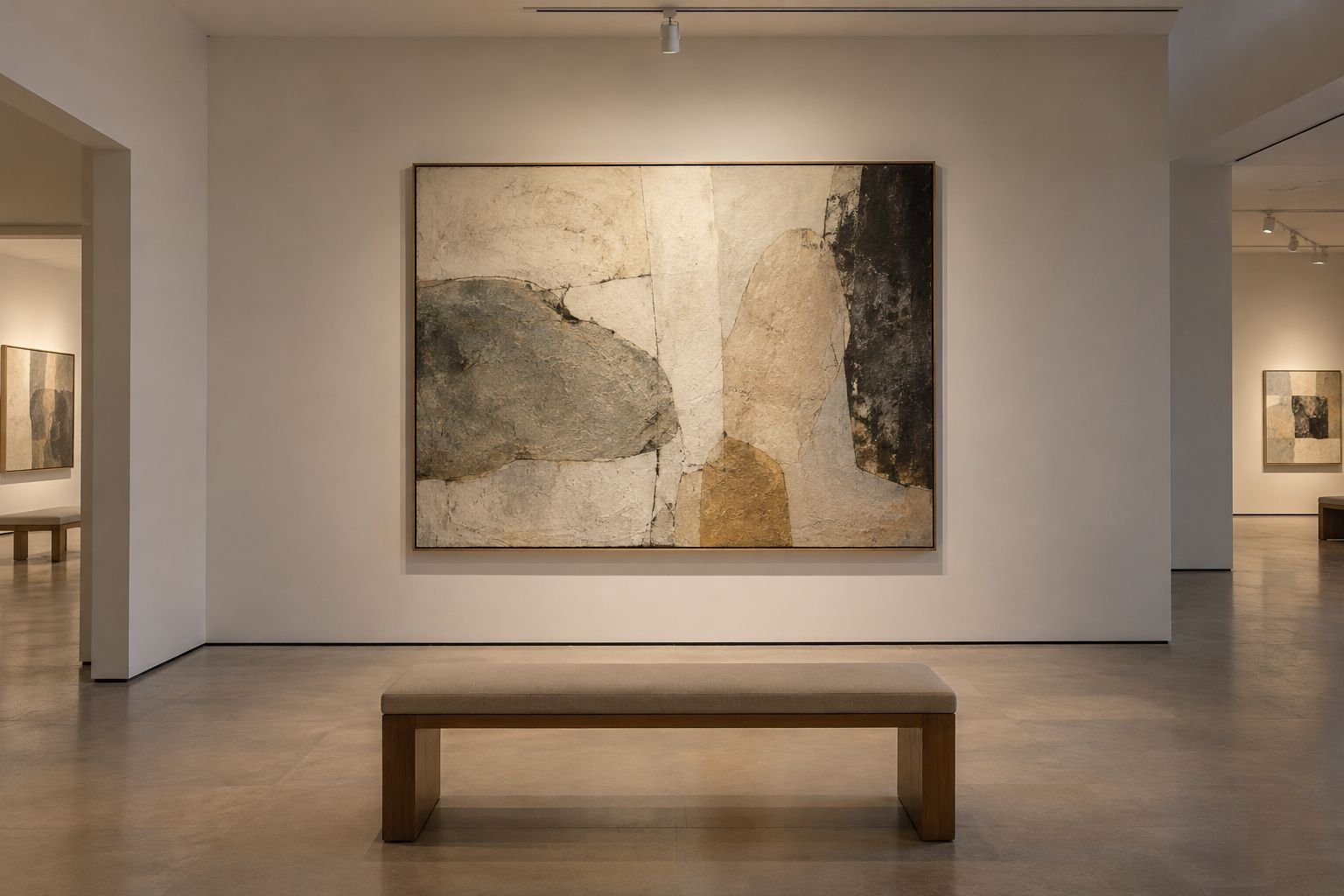
A museum cannot be absorbed in one visit. Select a collection, period, artist or question and share it with the guide. A focused ninety minutes can be richer than a hurried survey of every floor. Leave time to look independently rather than requiring continuous explanation.
For a family or mixed-interest group, identify two shared anchors and allow optional paths. Children benefit from concrete themes and shorter duration. Serious knowledge is not a prerequisite; honest curiosity gives a guide more to work with than rehearsed expertise.
Select the right interpreter
Look for subject knowledge, communication skill and a clear relationship with the institution. Ask whether the guide is employed, accredited or independent, and what access that status provides. Language fluency and the ability to adapt matter as much as credentials.
Share accessibility needs, prior knowledge and sensitivities in advance. If the collection includes human remains, sacred objects or histories of violence, ask how the institution frames them. A thoughtful guide can create context without turning difficult material into spectacle.
Respect conservation and photography
Follow instructions about distance, bags, food, light and touching. Even when an object appears robust, oils, vibration and repeated exposure can cause harm. Closed doors, cases and barriers are not obstacles for a fee to remove.
Photography policies can differ by gallery, artwork and loan agreement. Ask before using a camera, avoid flash and tripods unless expressly authorized, and do not block circulation for a staged portrait. Sometimes the better choice is to look and purchase an authorized image later.
Plan the practical details
Confirm the entrance, identification requirements, start time, duration, security process and coat storage. Large historic buildings may involve long routes, stairs or uneven floors. Discuss seating and lifts before arrival.
If the visit occurs outside normal hours, transport and nearby facilities may be limited. Arrange a realistic pickup point and avoid placing another fixed commitment immediately afterward. A quiet café or walk can provide time to process the experience.
Support the institution appropriately
Understand whether the fee supports programming or is paid to an external provider. Consider membership, a donation or a thoughtful shop purchase when suitable, but do not treat giving as a claim on curatorial decisions. Commercial galleries usually welcome appointments without an entrance fee; be candid about whether you are looking, researching or considering a purchase.
A private visit is valuable because it creates attention, not status. Arrive prepared, listen to the rules and let a small number of works hold the time. Respect is what turns access into a meaningful cultural encounter.
Continue the encounter afterward
Before leaving, note the artist, object title or accession information for works that prompted questions. Use the institution’s catalogue and official digital collection to continue reading. This is more reliable than photographing every label at speed and often reveals essays, conservation notes and related works not on display.
If sharing the visit publicly, describe the art and institution accurately and respect restrictions on images, private spaces and staff identities. Private access should not be framed as ownership of the experience. Thoughtful sharing can direct attention and support toward the collection without turning cultural stewardship into a status signal.
Prepare with proportion
Read the institution’s overview and identify a small number of works or themes, but do not script every minute. Share interests with the guide in advance and mention whether the group prefers formal art history, social context, technique or open conversation. This helps the interpreter choose depth without assuming specialist knowledge.
Check the current display. Museums rotate sensitive works, lend objects and close rooms for conservation or installation. A private booking may provide quieter access but cannot guarantee that a particular object is present. If one work is essential, request current confirmation and decide whether the visit remains worthwhile without it.
Bring only permitted items. Large bags, food, liquids and equipment may require storage, while sketching materials can be restricted in certain spaces. The institution’s current visitor information governs even when a separate guide arranged the booking.
Engage with difficult collections responsibly
Collections may reflect colonial acquisition, sacred use, conflict or unequal markets. Look for the institution’s provenance information and acknowledge uncertainty where it exists. A guide can explain current research, but a private visit should not demand a simplified or reassuring account of contested history.
Human remains, ceremonial objects and culturally sensitive material require particular respect. Follow restrictions on viewing and photography and consider the perspectives of originating communities presented by the institution. Curiosity does not create an entitlement to access everything held in a collection.
When discussing attribution or authenticity, distinguish established catalogue information from interpretation. Avoid repeating a dramatic claim simply because it makes the visit sound exclusive. Accurate language protects the work, institution and people connected to it.
Consider galleries and purchases carefully
A commercial gallery appointment is a professional conversation. State interests and budget boundaries honestly if considering a purchase, ask about provenance and condition, and allow time for independent advice. Urgency, social access or hospitality should not replace due diligence.
Whether the visit ends with a purchase, donation or no transaction, courtesy remains the same. Thank the guide, respect staff time and preserve confidentiality where requested. The quality of the encounter lies in sustained attention to art, not in demonstrating access to others.
Let one work remain unresolved
Choose one object or artwork to revisit before leaving. Look again after the guide’s context, then note what remains uncertain or compelling. A private visit does not need to deliver mastery; its advantage is the time to notice questions that a faster tour might suppress.
Continue through the institution’s published research, catalogue or public program rather than relying on recollection alone. If new evidence changes an initial interpretation, welcome the correction. Cultural access becomes valuable when it supports patient inquiry beyond the appointment itself. Share reliable catalogue links with interested companions and preserve the guide’s name for proper credit. If the institution later updates an attribution or provenance record, use the newer evidence rather than repeating the version heard during the visit.
Sources and further reading
Official and authoritative material used to support this guide. Access dates reflect editorial research.
- ICOM Code of Ethics for Museums, International Council of Museums. Accessed October 12, 2026.