An unhurried itinerary framework for Lake Como and a second northern lake, with practical choices around ferries, towns and timing.
Select one strong base
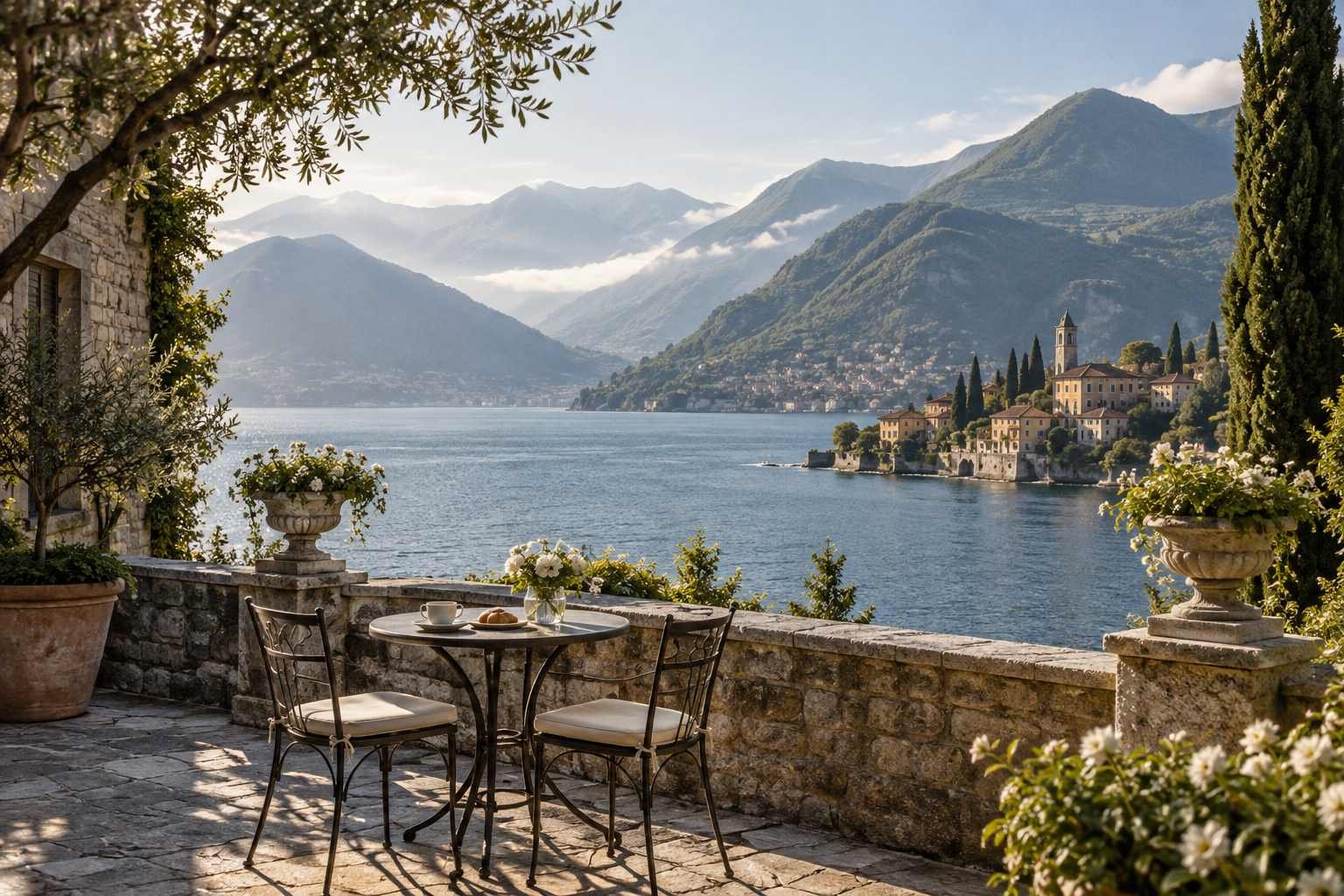
Lake Como contains distinct towns connected by roads and seasonal boat services. Changing hotels to sample each shore often creates more packing than pleasure. Choose a central base that suits the desired atmosphere, then use ferries for day trips. Bellagio is lively and well connected; Varenna is compact and rail-accessible; the western shore offers celebrated villas and quieter pockets. Official destination information is the right starting point, followed by current transport timetables.
Judge a hotel by access as well as view. Steep lanes, waterfront steps and distant parking can complicate arrivals. Ask for the exact route from station or pier, whether staff can meet luggage, and which room categories face the water without road noise. A balcony is valuable only if it is comfortable at the time of year.
Use a two-lake structure carefully
For a longer honeymoon, pair Como with one contrasting lake rather than touring the entire region. Lake Maggiore can add islands and broad water; Garda brings a larger scale and varied shores; smaller lakes offer a quieter finish. The transfer between them should earn its place. If it requires most of a day, stay at least three nights at the second base.
A seven-night trip may be best spent entirely on Como with a night in Milan before departure. Ten to twelve nights can support two lakes without haste. Count international arrival and departure days as limited days, and avoid placing a prepaid boat excursion immediately after either.
Treat ferries as part of the experience
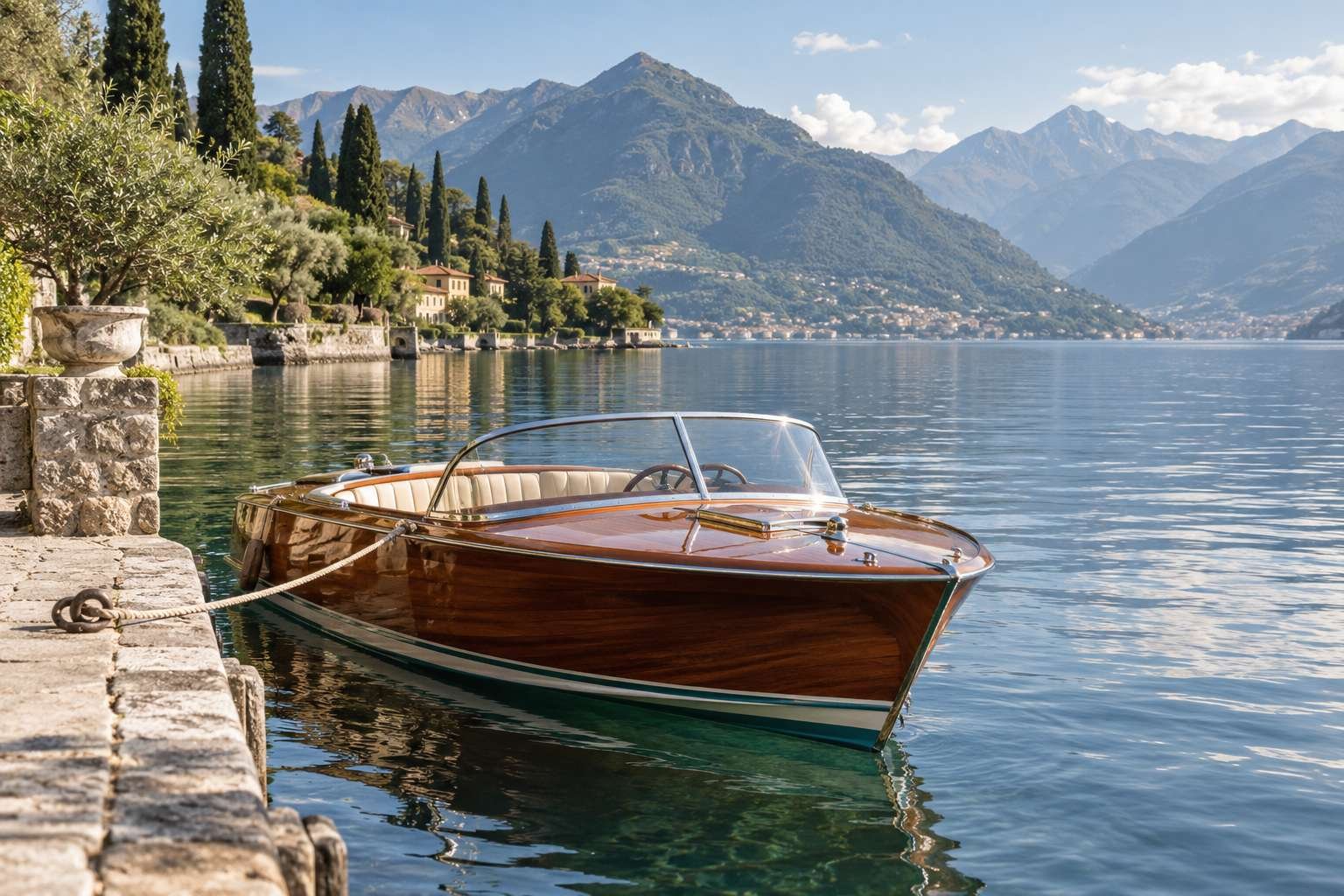
Public boats offer both transportation and landscape. Use the official timetable, distinguish fast services from stopping boats and check the last practical return. Queues and capacity matter in busy periods, so arrive early for essential connections. Private launches provide flexibility for a special outing, but ask exactly what is included, how weather is handled and where boarding occurs.
Do not plan a day around every villa and garden. Choose one principal visit, a village walk and a long lunch. The lake’s appeal lies in changing light and distance; it disappears when each crossing becomes a race to the next admission slot.
Match the season to the desired mood
Spring gardens, warm summer evenings and autumn color offer different rewards. Peak summer also brings heat, fuller boats and busy waterfronts. Shoulder seasons can feel gentler, while some hotels, restaurants and services operate seasonally. Confirm opening dates with each provider rather than relying on a general regional description.
Rain need not waste a day. Plan one adaptable option: a spa afternoon, a long restaurant lunch, a covered market or a train trip to a nearby city. Pack a light waterproof layer and shoes that handle stone steps. Elegant does not need to mean fragile.
Reserve selectively
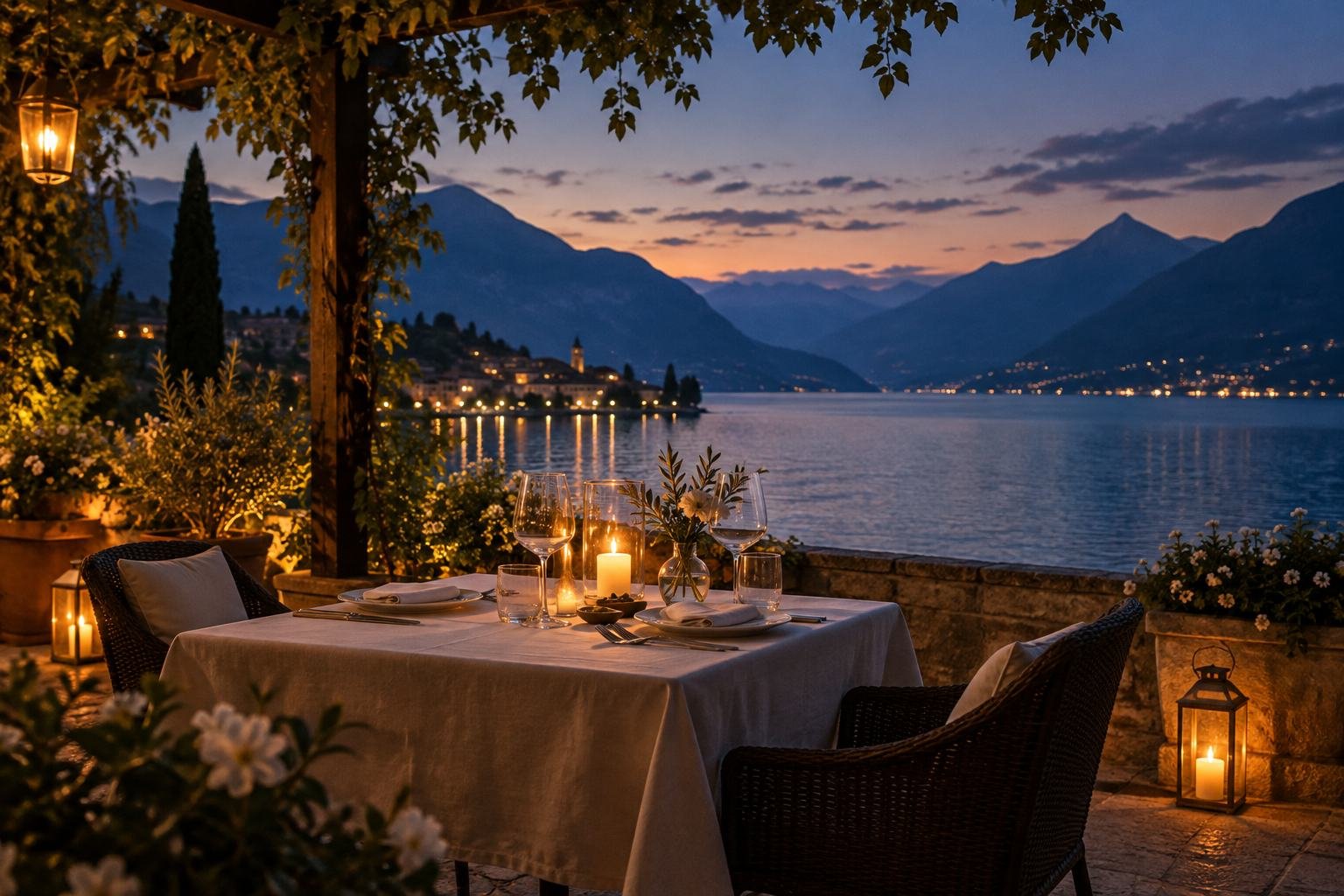
Secure the hotel, major transfers and one or two priority experiences. Leave ordinary lunches, village walks and ferry choices flexible. For dinner, confirm whether the restaurant requires a taxi or boat after the last public service. A romantic terrace loses its charm if the return plan is uncertain.
Communicate celebrations modestly and directly. A property may offer thoughtful touches, but the quality of the stay should not depend on complimentary upgrades. Ask for what changes comfort: a quiet room, dietary support or help with an arrival.
Build days with shape
A satisfying lake day has a clear beginning, middle and end: an early ferry, one cultural visit, lunch, a swim or rest, then an evening close to the hotel. It does not need five attractions. Alternate active days with local ones and give the final morning no distant commitment.
The northern lakes reward attention to texture—the sound of a pier, shade beneath a loggia, the change in mountains after rain. A slow itinerary is not an absence of planning. It is planning that protects those moments from being scheduled away.
Choose towns by daily life, not reputation
Imagine an ordinary morning in each possible base. Consider whether breakfast, the ferry pier, a swim, an evening restaurant and the hotel can be reached comfortably. A famous town may offer excellent connections but feel busy during the day; a quieter village may require taxis or an early last boat. The right choice is the tradeoff both travelers prefer.
Check topography closely. Short map distances can conceal steep lanes, steps and roads without generous pavements. Travelers with luggage, formal clothing or mobility concerns should ask the hotel for an exact arrival description. A private transfer can be useful for one difficult leg, while ferries may remain the most enjoyable transport once settled.
If driving, investigate parking before reserving the car. Historic centers and waterside hotels may have limited access, and a vehicle can remain unused while accumulating cost. Rail plus boat works well for some bases; a car is more useful when the itinerary includes rural properties away from regular services.
Design meals and evenings around transport
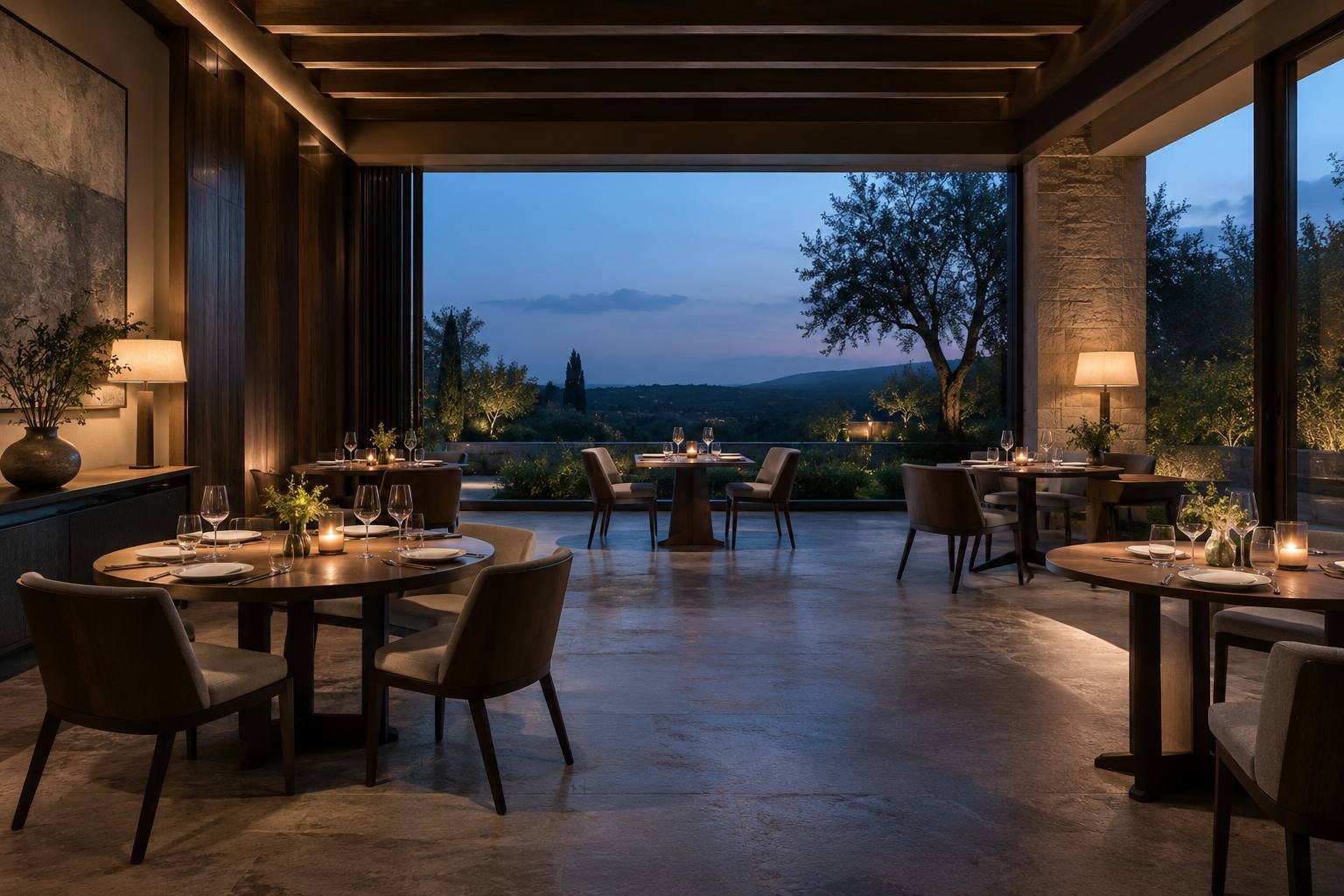
Reserve destination restaurants only after confirming how the return journey works. Public boats may finish before dinner, and a water taxi or road transfer can change the cost and mood of the evening. Restaurants and hotels can provide current local guidance, but the traveler remains responsible for a workable plan.
Alternate formal meals with simple regional dining. Several long dinners in succession can flatten the sense of occasion and leave little energy for early excursions. A market lunch, lakeside café or meal close to the hotel may provide better rhythm between major reservations.
Keep clothing adaptable. Waterfront evenings can feel cooler than afternoon, and stone streets reward stable shoes. One refined layer and a compact rain option solve more problems than a suitcase built around photographs. Confirm dress expectations directly where they matter rather than applying one rule to the whole region.
Leave with a sense of place
Use the final day locally. Revisit a waterfront, garden or café instead of crossing the lake for one more attraction. This provides a buffer against weather and gives the trip a natural close. It also reduces the chance that an ambitious last excursion interferes with packing or an early departure.
A slow honeymoon succeeds when the logistics fade and each base develops familiarity. The useful measure is not how many villas or towns were checked off, but whether the plan allowed two people to inhabit the landscape together without continually watching the time.
The final itinerary test
Read the plan aloud from arrival to departure and mark every moment that requires a timed boat, reserved car or hotel change. If several appear on consecutive days, remove one. The remaining itinerary should still work if rain moves an excursion or lunch lasts longer than expected.
Share the final version with the hotels only where their advice is useful, such as a difficult pier transfer or late arrival. Keep confirmation numbers and current timetables offline. Once those foundations are secure, stop optimizing. A honeymoon needs enough preparation to feel easy and enough openness to belong to the people taking it.
Sources and further reading
Official and authoritative material used to support this guide. Access dates reflect editorial research.
- Lake Como, Italia.it — Italian National Tourist Board. Accessed October 12, 2026.