A practical framework for choosing an island, villa and schedule without turning a romantic escape into a list of upgrades.
Choose the island before the villa
Maldives resorts often occupy their own islands, so the overall environment matters more than a single room photograph. Begin with the island’s scale, transfer method, natural setting and style of activity. A compact island can feel intimate and easy to walk; a larger one may offer more restaurants, beaches and quiet corners. Some resorts emphasize house-reef access, while others focus on lagoon swimming, wellness or water sports.
Write down three priorities each, then compare the overlap. Privacy may mean distance from neighboring villas, a screened terrace or simply a calm adults-oriented atmosphere. Ask the resort for a current island map and the specific villa category’s location. Views and exposure can vary within one category, and vegetation, jetties or prevailing wind can affect the experience.
Understand the transfer day
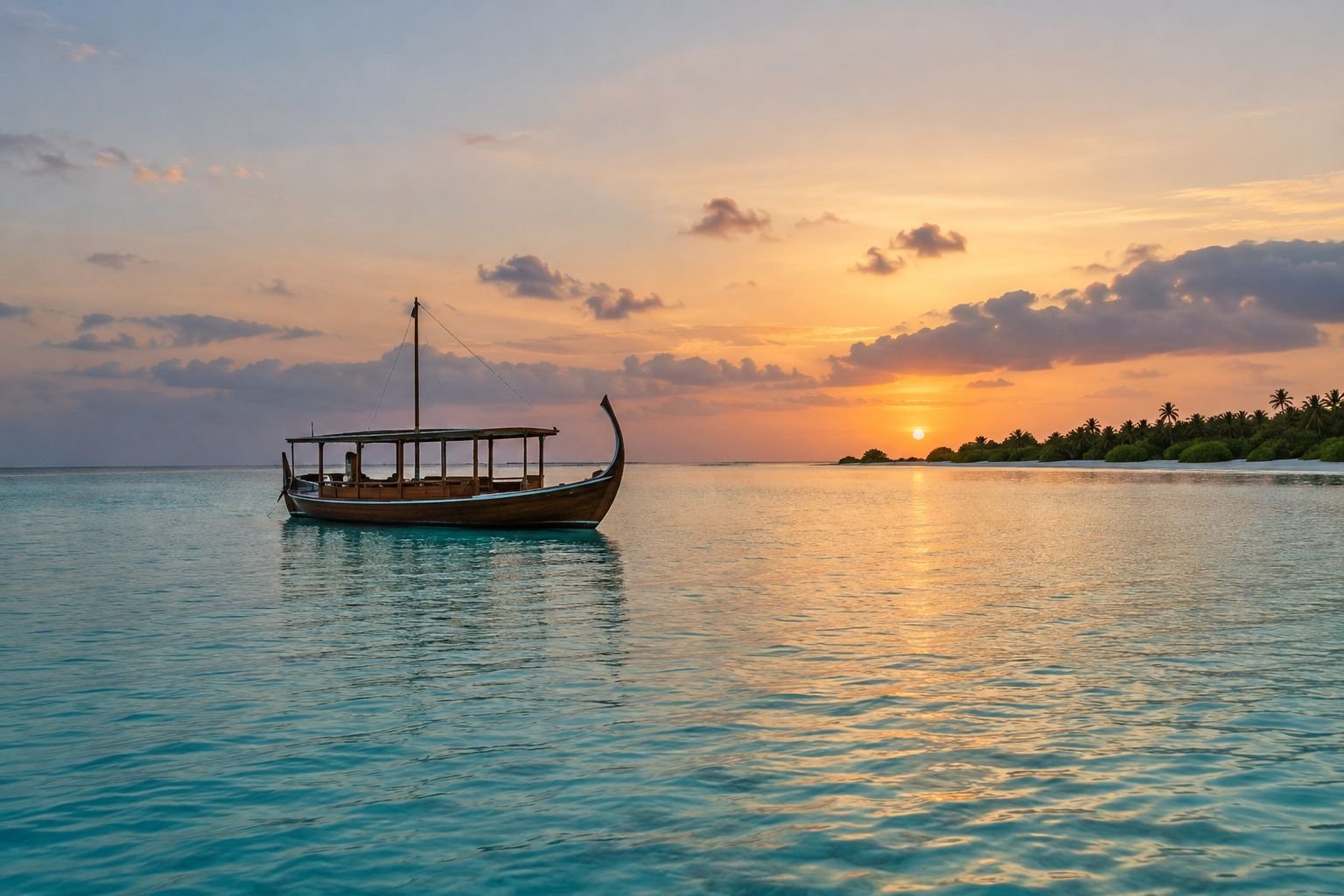
International arrival is only part of the journey. Resorts may require a speedboat, seaplane or domestic flight followed by a boat. Each method has operating hours, baggage conditions and weather sensitivity. Confirm the latest arrival time for a same-day transfer and build a plan for disruption. A beautiful island is less relaxing when reached through an unrealistic connection.
For departure, avoid scheduling an important long-haul flight around the most optimistic transfer. Ask how the resort coordinates guests, where waiting occurs and what happens during poor weather. Keep essential medication, swimwear and one change of clothes in hand luggage in case checked bags arrive later.
Use the villa as part of the itinerary
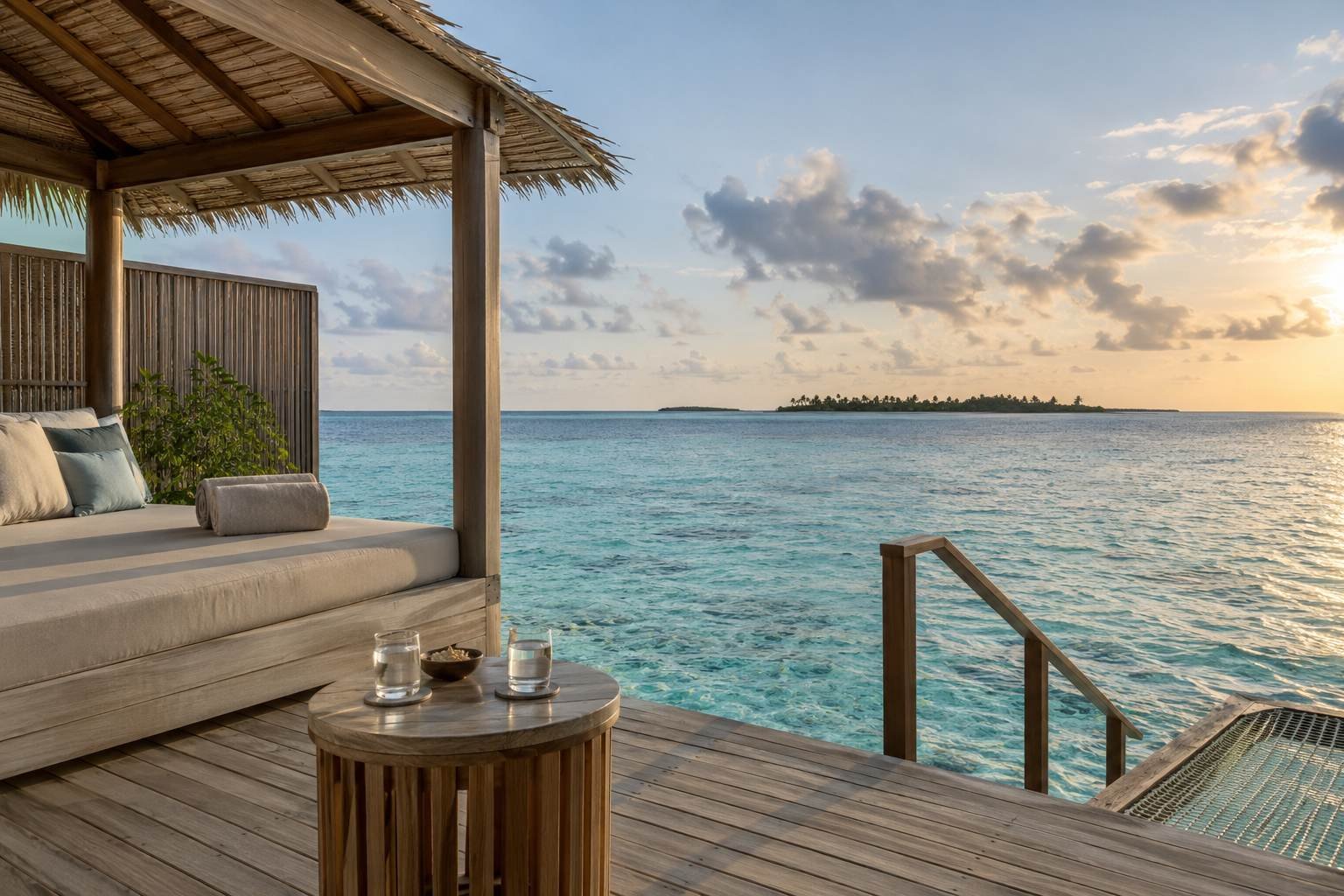
Overwater villas offer direct lagoon access and open views; beach villas provide sand, shade and often more greenery. Neither is universally more romantic. Consider swimming confidence, wind, walking distance, privacy from passing boats and comfort with open water at night. A split stay can add variety, but moving rooms consumes part of a day and may be unnecessary on a short honeymoon.
Pools photograph well but require energy and maintenance; the sea may be the more compelling amenity. Ask whether access steps suit changing tides and whether the water is consistently swimmable. Useful details include outdoor shade, blackout quality, air-conditioning noise and how room service reaches the villa.
Plan meals without over-scheduling them
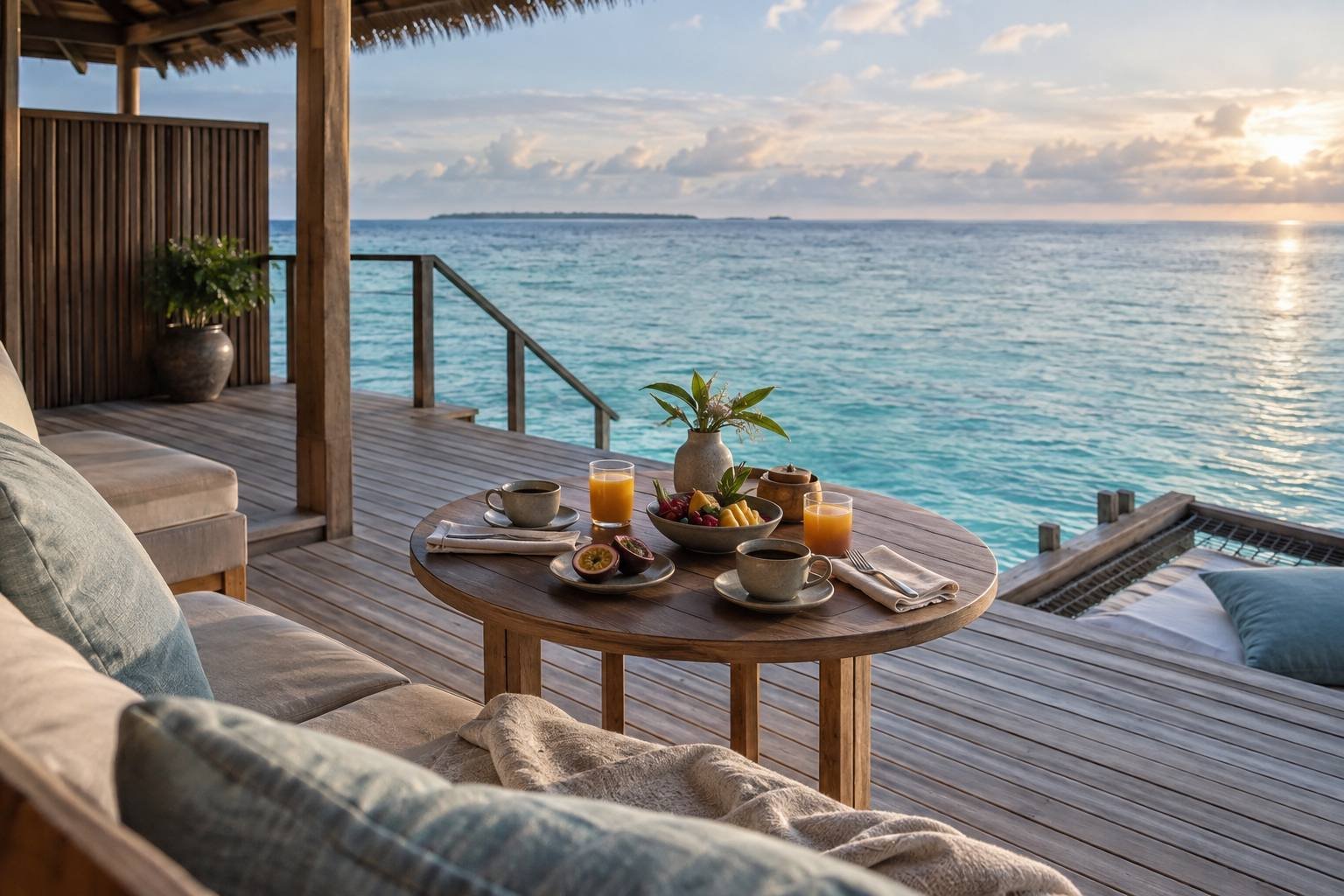
Because dining is usually resort-based, understand what the meal plan includes. Compare breakfast-only, half-board and broader plans against the restaurants you actually want to use, including supplements and reservation rules. Do not assume “all-inclusive” has a universal definition. Request current written terms before committing.
Reserve one or two meaningful meals, then leave space for appetite and weather. Private dinners can be memorable, but a good table in a well-run restaurant may offer better food and less logistical risk. Communicate allergies directly and early. A honeymoon should not require daily negotiation over inclusions.
Balance togetherness with individual ease
The setting encourages long shared days, yet constant proximity can make a trip feel oddly demanding. It is reasonable for one person to snorkel while the other reads, or for each to choose a different treatment. Agree on a few shared anchors: sunrise once, a boat outing, an unhurried dinner and a device-free afternoon.
Avoid filling every day with paid experiences. Weather can move boat trips, and the most restorative hours may be those without a booking. If photography matters, set a short window for it and then put equipment away. Privacy becomes meaningful when it protects attention rather than performance.
Make the budget complete
Compare the full stay: taxes and service charges, transfers, meal-plan gaps, drinks, activities, spa treatments and insurance. Resort quotations can be structured differently, so normalize them before deciding. Prices change and should be confirmed directly for the exact dates; a general planning guide cannot replace a current written quote.
The calmest honeymoon often comes from choosing a level of room and dining that leaves room for spontaneity. Spend where it changes daily experience—location, sleep, transfer simplicity and food quality—rather than purchasing every ceremonial extra. The aim is a trip that feels generous while it is happening and sensible when it is remembered.
Compare resorts with a shared scorecard
Create a short table with the factors that will affect every day: transfer method, island size, beach condition, house-reef access, number and style of restaurants, villa privacy, shade, spa facilities and the likely total cost. Each person can mark essential, desirable and unimportant. This makes disagreement visible before a nonrefundable reservation is made.
Use recent resort maps and written descriptions, but remember that beaches and vegetation change. Ask direct questions about the chosen villa’s orientation, neighboring structures and access rather than requesting an undefined “best view.” If a particular location cannot be guaranteed, decide whether the room category still works without it.
Review what happens during rain or strong wind. Indoor space, covered dining, a comfortable lounge and activities that do not depend on a boat can matter during a longer stay. The aim is not to predict weather perfectly; it is to choose a resort that remains pleasant when the postcard plan pauses.
Protect time and privacy after arrival
Agree on how much contact to maintain with home. A honeymoon can become a remote working week if messages, photographs and family updates occupy every quiet interval. Set a simple boundary, such as checking once in the morning, and tell important contacts how to reach the resort in a genuine emergency.
Ask how often housekeeping, minibar service and maintenance normally enter the villa, then use privacy controls clearly. Staff still need access for safety or essential work, so discuss any special request rather than assuming a door sign will override operations indefinitely. A considerate arrangement protects both privacy and the people supporting the stay.
Build one completely uncommitted day into the middle of the trip. It can absorb a weather-moved excursion or remain empty. This pause is especially valuable after a wedding and long journey, when rest may matter more than another ceremonial activity.
Plan the departure before relaxing
Confirm the final transfer time, checkout process and baggage collection a day before leaving. Keep travel clothing, medication and documents outside packed luggage. Settle questions about the account early enough to avoid reviewing complex charges while transport is waiting.
A well-designed honeymoon finishes with composure. Leave room between the island transfer and onward travel, carry a change of clothes for the international sector and avoid scheduling an immediate demanding commitment at home. The journey should close at the same deliberate pace with which it began.
A final decision conversation
Before paying a deposit, each traveler should describe the trip in three sentences: how the mornings feel, how much activity fills a day and what would make the stay tiring. Compare those descriptions with the proposed resort and villa rather than with promotional images. Any important mismatch is easier to resolve before booking than after arrival.
Write down the chosen tradeoffs as well as the advantages. A remote seaplane resort may offer a strong sense of separation while reducing transfer flexibility; a larger island may add dining choice while feeling less intimate. Remembering why the decision was made prevents a known compromise from becoming an unexpected disappointment.
Sources and further reading
Official and authoritative material used to support this guide. Access dates reflect editorial research.
- Plan Your Visit, Visit Maldives. Accessed October 12, 2026.