
How to choose a suitable yacht, communicate preferences and approach life aboard with clarity and respect.
Define the group honestly
The right yacht begins with the people aboard: ages, mobility, cabin expectations, sleep patterns and appetite for activity. State these details before looking at glossy listings. A vessel ideal for an energetic family may be wrong for three couples seeking quiet, even when size and price are similar.
Count true guest cabins, bed arrangements and bathroom access. Crew accommodation should remain separate enough for professional operation. Ask about stair geometry, railings, shaded exterior space and noise near each cabin. Photographs can hide level changes and proportions, so request plans and recent specifications.
Use qualified advice and read the agreement
A reputable charter professional should explain vessel status, crew, operating area, insurance and the standard contract used. Understand the base fee and the separate advance used for variable expenses such as fuel, food, berthing and communications. Terms vary, and current written documents control.
Review cancellation, substitution, weather and dispute provisions with appropriate professional advice when needed. Verify how remaining expense funds are reconciled. Do not transfer money based on social media messages or an unverified change of bank details.
Plan a flexible itinerary
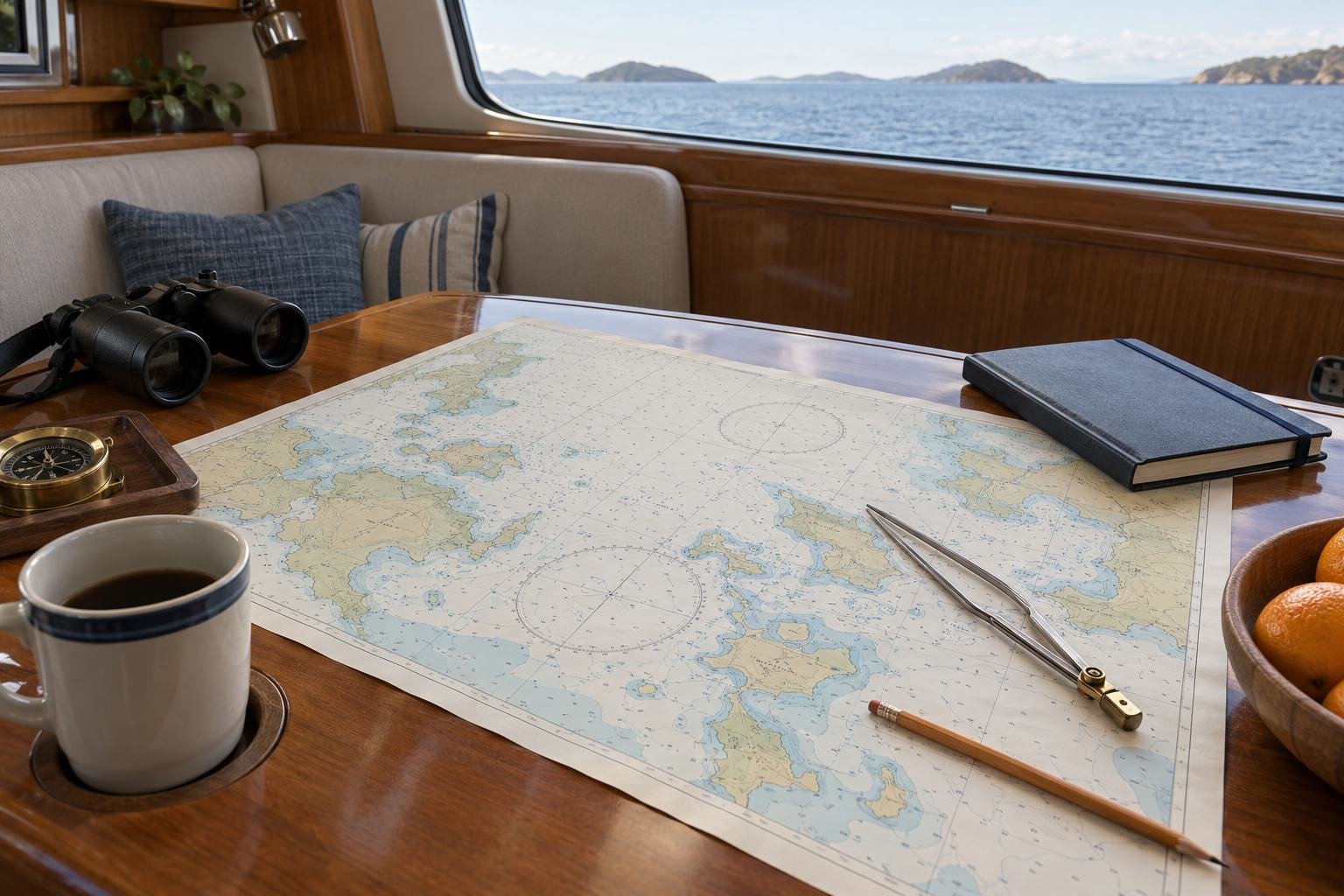
Distances at sea take time, and weather has authority over the plan. Choose a region and several preferred stops, then let the captain refine the route for conditions, berth availability and local rules. A daily demand for a new harbor can turn a charter into repeated packing and engine noise.
Mix anchorages with ports according to the group’s interests. Remote bays offer water and quiet; towns offer restaurants, culture and easier shore access. Keep one or two priorities and accept that a safe alternative may become the better day.
Complete the preference form precisely
The preference form helps the chef and crew prepare food, drinks, activities and routines. Specific language is more useful than “we eat everything.” Note allergies, medical dietary needs, strong dislikes, children’s habits and celebration plans early. Separate a clinical requirement from a preference so the galley can manage risk correctly.
Describe the desired service style and schedule. Some groups want breakfast together and formal dinners; others wake at different times and prefer informality. The crew can adapt more gracefully when expectations are clear before provisioning.
Respect safety and crew operations
Attend the safety briefing, learn muster information and follow instructions for tenders and water equipment. The International Maritime Organization’s safety guidance emphasizes preparation, communication and appropriate equipment for ocean voyages; the captain remains responsible for the vessel’s safe operation.
Crew privacy and rest support good service and safety. Use the agreed communication method rather than entering work or crew areas. Address concerns promptly through the captain instead of letting frustration build.
Pack lightly and live with the sea
Soft luggage stores more easily than hard cases. Bring non-marking shoes if requested, sun coverage, swimwear and a light layer for wind. Leave valuable jewelry and unnecessary formal clothing ashore. Ask about provided toiletries and equipment before duplicating them.
A crewed charter is most rewarding when the yacht becomes a platform for place rather than a floating checklist. Clear preparation, a flexible route and respect for professional judgment create the ease guests are seeking.
Review the final plan together
A week before embarkation, confirm guest names, travel arrivals, dietary requirements, medical information voluntarily shared for safety, and the agreed boarding point. Request a current crew and yacht summary, then circulate only what guests need. Mixed messages from several guests can undermine preparation, so nominate one person to coordinate ordinary requests before the charter.
On the first day, ask how the captain prefers to discuss itinerary changes and how the chief steward or equivalent handles daily arrangements. Establishing a simple communication rhythm prevents small questions from becoming interruptions. It also gives every guest a clear way to raise comfort or safety concerns.
Assess the yacht as a living environment
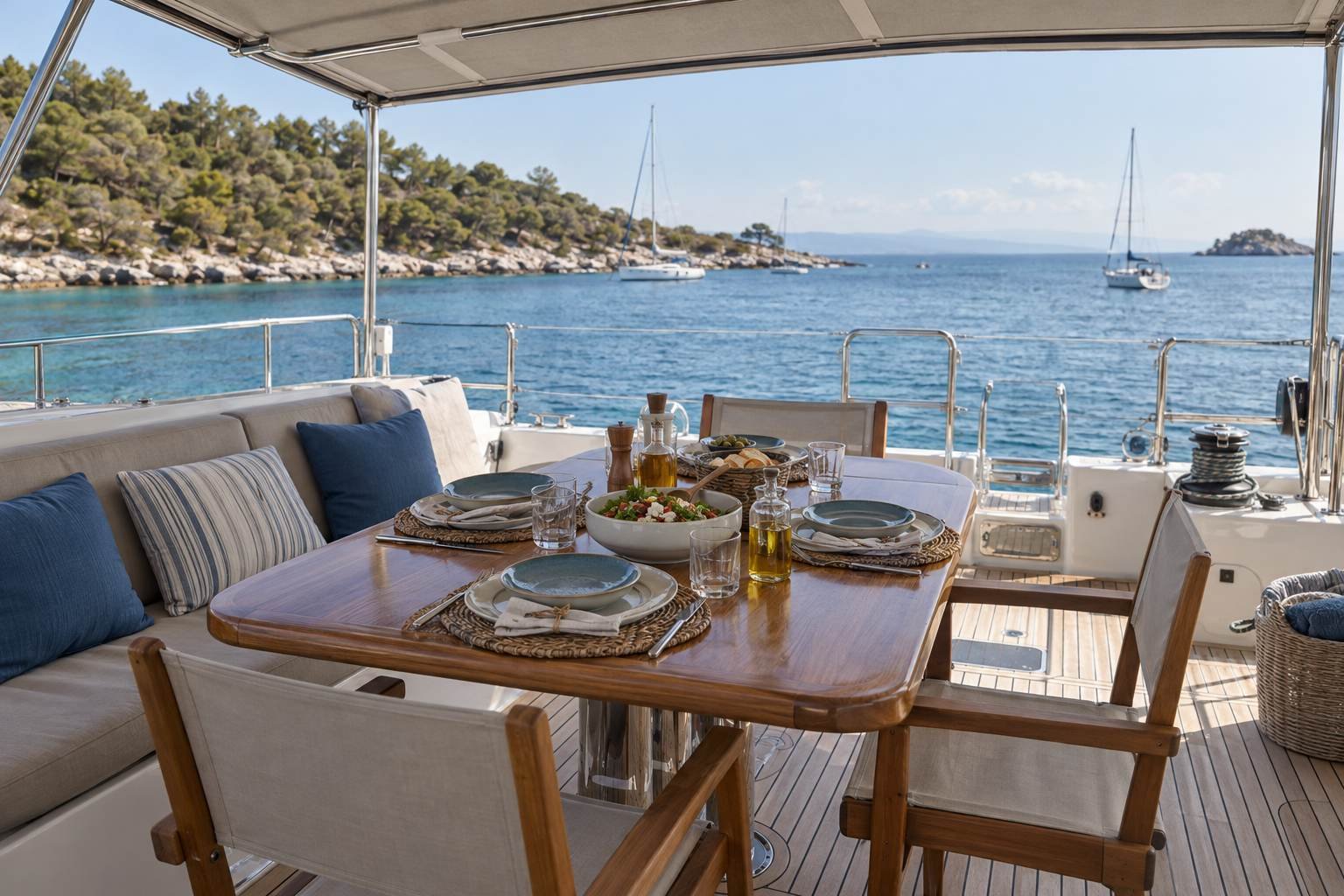
Study where the group can gather and where individuals can withdraw. Exterior dining for ten does not guarantee ten comfortable shaded seats throughout the day. Ask which areas are affected by wind, engine sound or crew operations, and whether the interior salon can genuinely accommodate everyone during poor weather.
Cabin descriptions should include bed dimensions and configuration, storage, ventilation, headroom and access. A convertible twin may not match a permanent double, and a lower-deck cabin can feel different underway. Share the plan with every guest rather than allowing assumptions to emerge after embarkation.
Water toys are secondary to the vessel’s fundamental suitability. Confirm which equipment is aboard, who may use it, required qualifications and whether local conditions permit operation. An impressive list is not a promise that every item will be available every day.
Understand money during the charter
Ask how variable expenses are estimated, approved and reported. The captain or designated crew member should be able to provide an update during the trip so the group is not surprised at the final reconciliation. Guests should agree beforehand who can authorize a material change such as a distant itinerary or unusually expensive provisioning.
Berthing, fuel and food needs respond to the chosen route and group preferences. A demanding schedule can increase consumption and marina costs without improving the experience. Discuss the tradeoff openly when planning, then permit the captain to update estimates if conditions require a different route.
Gratuity customs vary by market and contract. Seek current guidance from the reputable charter professional without treating any percentage as universally mandatory. The group should decide privately and present any gratuity through the established channel rather than making individual arrangements that confuse distribution.
Disembark well
Confirm the final port and departure time early enough to arrange ground transport, but recognize that safety may change the exact berth. Pack before the final morning where possible, check cabins and settle the expense account with time for questions.
Useful feedback is specific and directed appropriately. Tell the captain about operational or crew matters and tell the charter professional about booking accuracy. A concise record of what suited the group will also improve a future charter more than relying on memory.
Choose the charter for the real group
Before signing, circulate the practical facts rather than only the yacht photographs: cabin plan, likely daily rhythm, mobility demands, expense structure and the captain’s authority over the itinerary. Invite private questions from guests who may be uncomfortable discussing health, swimming ability or budget in a group.
If the answers reveal incompatible expectations, change the yacht, route or guest plan. That is useful discovery, not a failed booking. A successful charter begins with a group that understands life aboard and accepts that professional judgment, weather and shared space will shape the week. Confirm that every adult has received the final contract terms and emergency contact information instead of relying on one organizer to explain them later.
Sources and further reading
Official and authoritative material used to support this guide. Access dates reflect editorial research.
- Basic Safety Guidance for Oceanic Voyages by Non-Regulated Craft, International Maritime Organization. Accessed October 12, 2026.