A practical guide to cleaning, storing and inspecting precious pieces while knowing when professional care is the safer choice.
Identify materials before cleaning
A method safe for one gemstone can damage another. Metal, treatment, setting, coatings and organic materials all matter. The Gemological Institute of America advises caution with heat, light, chemicals and ultrasonic cleaning because some stones and treatments are sensitive. If identification is uncertain, do not experiment.
Keep purchase documents and laboratory reports with photographs. Ask the jeweler whether a stone is treated and what care restrictions apply. General internet recipes cannot account for every assembled piece.
Use a gentle default
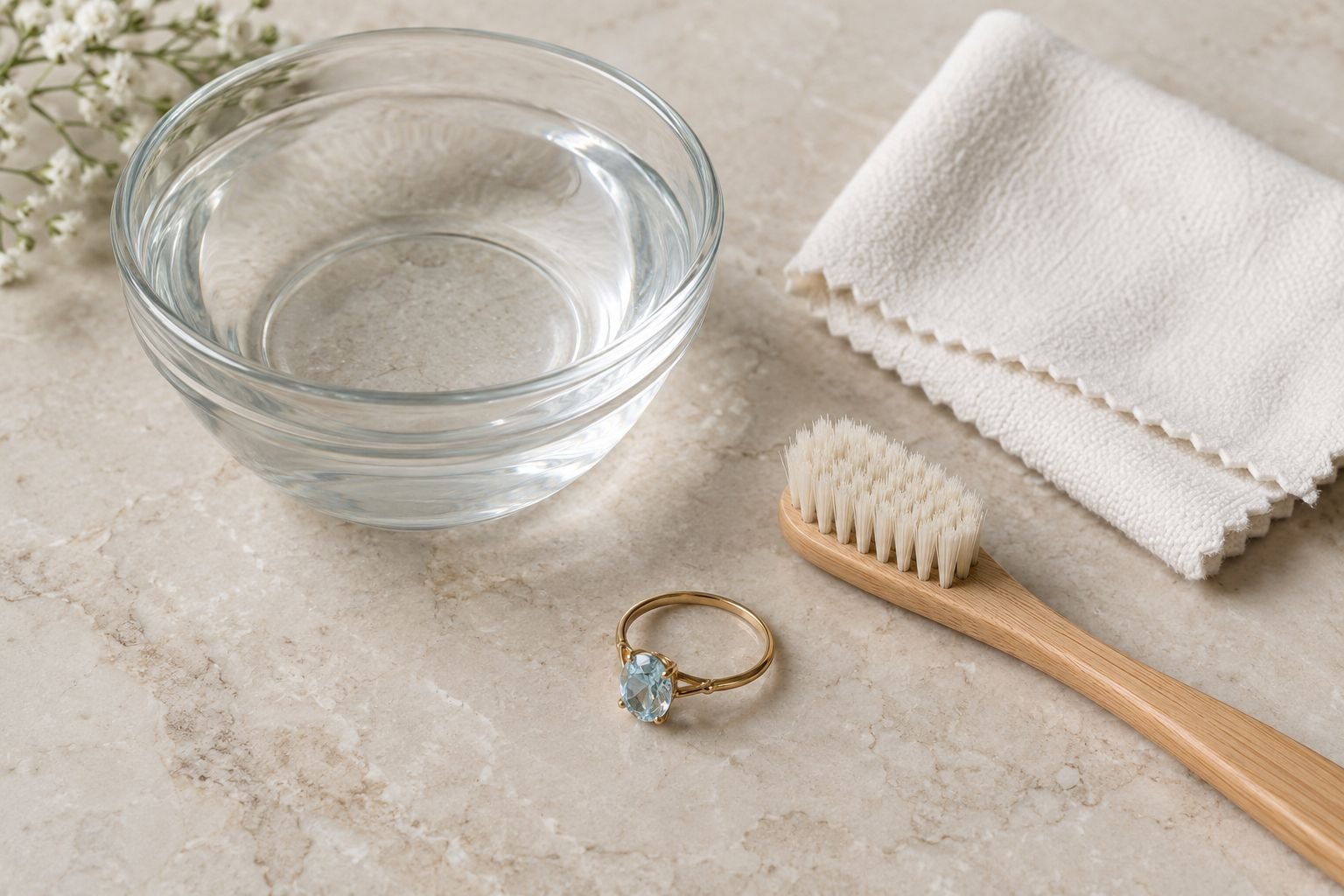
For many durable, untreated pieces, a soft brush, mild soap and lukewarm water may be appropriate, followed by careful rinsing and drying. Protect the drain and work over a padded surface. Never use force around pavé, fine chains or visibly loose stones.
Pearls, opals, emeralds and other sensitive materials may require different handling. Household chemicals, chlorine, cosmetics and aggressive commercial dips can harm surfaces or settings. When in doubt, use a clean soft cloth and seek professional advice.
Store pieces separately
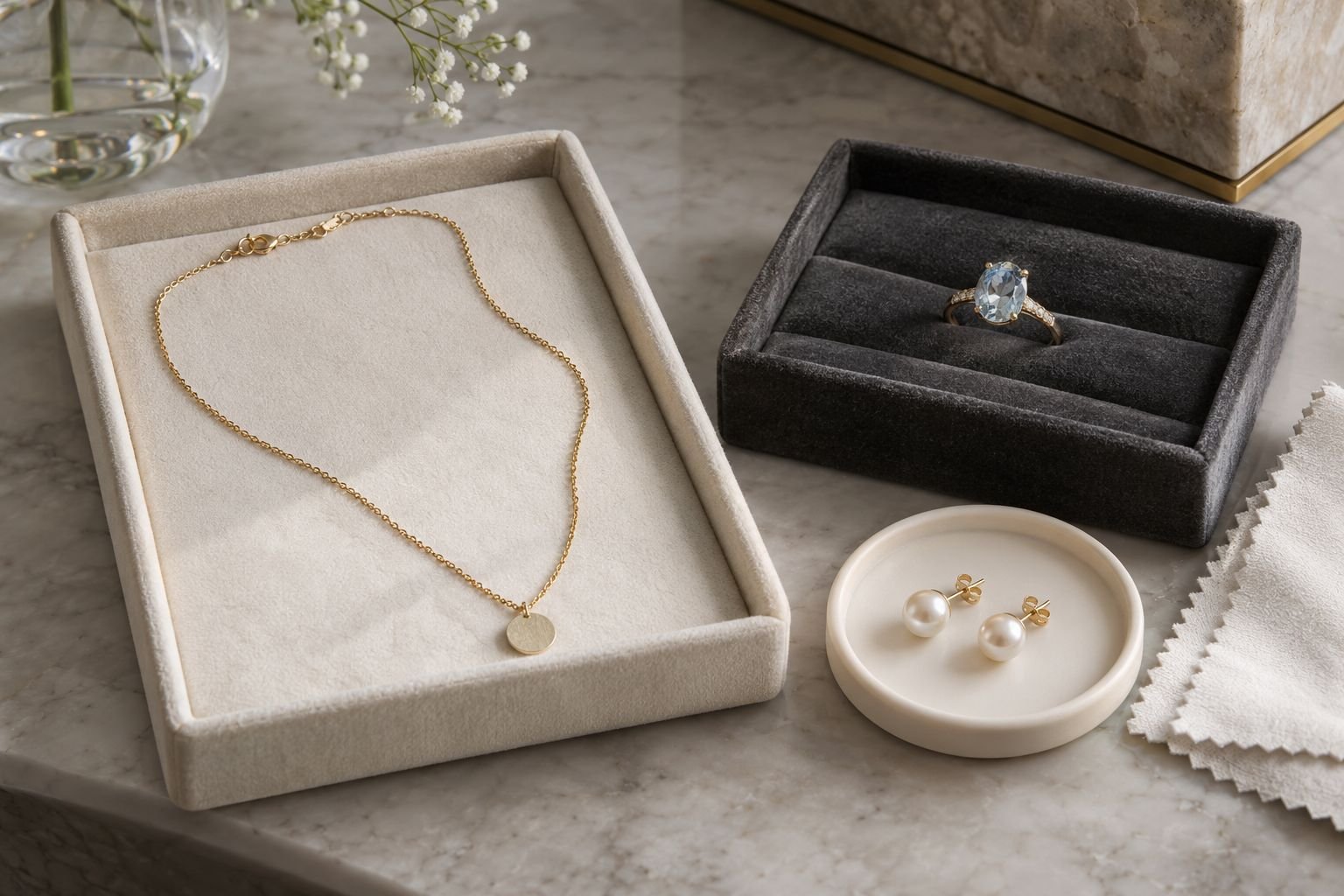
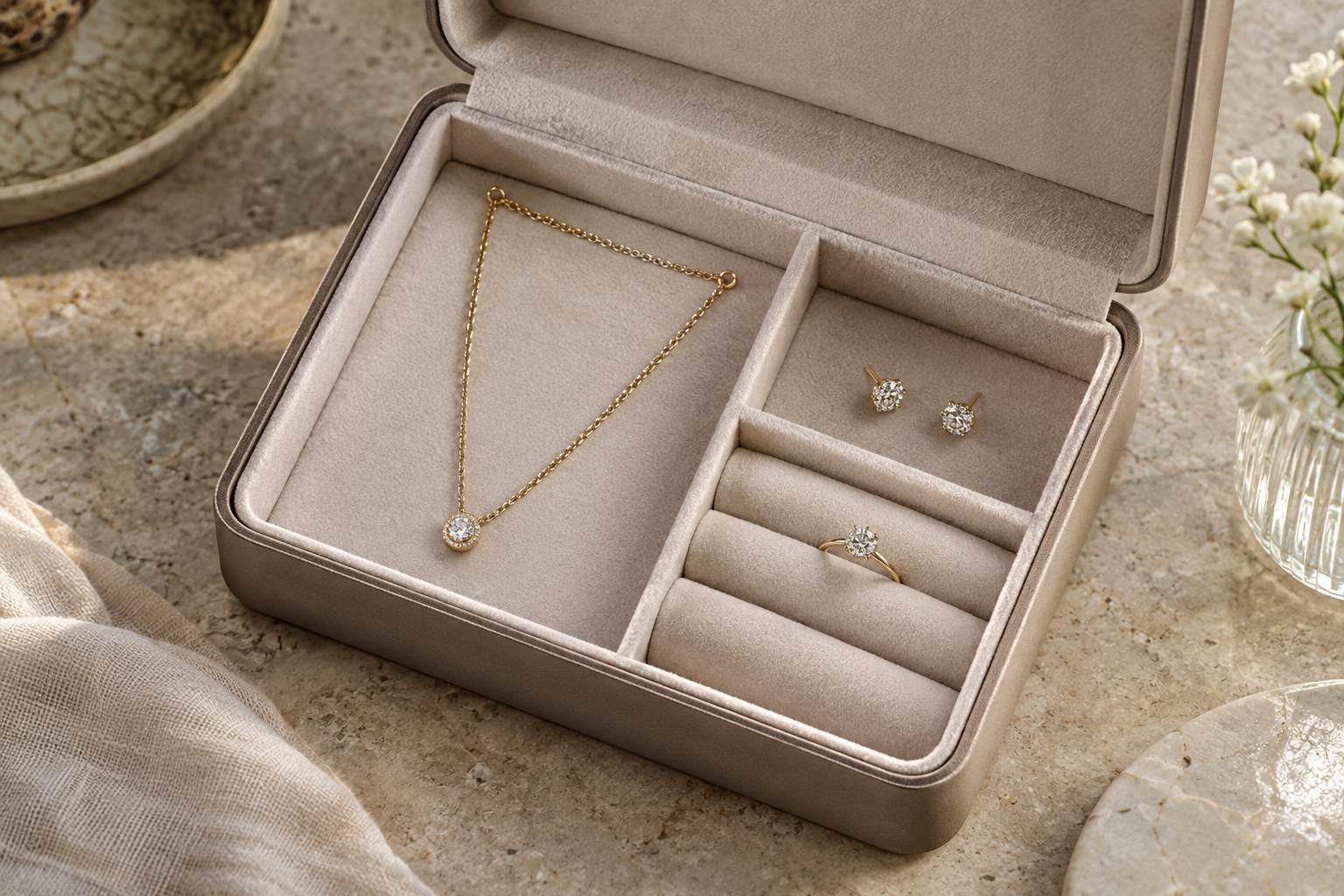
Hard gemstones can scratch softer stones and polished metal. Store pieces in separate lined compartments or soft pouches, with chains fastened and laid so they do not knot. Keep jewelry dry and away from extreme heat, direct sun and chemical vapors.
A beautiful display tray is useful only if it protects the objects. Daily pieces can have a dedicated landing place away from sinks and open windows. Valuable items may need secure storage appropriate to household risk and insurance conditions.
Inspect before loss occurs
Look for lifted prongs, movement in a stone, worn links, weakened clasps and stretched pearl thread. Listen for a faint rattle near settings without shaking the piece aggressively. Stop wearing anything that seems loose and place it in a labeled container for repair.
Professional inspection frequency depends on construction and wear. A ring worn daily faces more impact than an occasional pendant. Ask the maker or a qualified jeweler for an interval based on the piece rather than following a universal schedule.
Change habits, not just products
Put jewelry on after fragrance, cosmetics and hair products, and remove it before exercise, gardening, swimming or heavy household work. Rings are especially vulnerable to impact and trapped residue. Do not place a removed ring loosely in a pocket or wrap it in tissue that may be discarded.
At night, use the same secure place every time. Consistent behavior prevents more loss than elaborate cleaning equipment.
Travel with a record
Carry only what will be worn and use a structured travel case. Photograph pieces, keep documentation separate and review insurance territory and transport requirements. High-value items should not be placed in checked baggage.
Fine jewelry can last through generations when care is specific and restrained. The safest principle is simple: know the material, avoid unnecessary intervention and let a skilled professional handle uncertainty.
Create a piece-specific care record
Attach a short care note to each important piece: materials, known treatments, maker guidance, last inspection and repairs. Include photographs of clasps and settings, not only a styled front view. This record helps a professional see changes and prevents a later owner from applying an unsuitable generic method.
Choose repairers for the required skill, whether stone setting, enameling, pearl restringing or antique restoration. Ask what work will be performed, whether original parts are retained and how the piece will be documented. Consent to polishing only after discussing the effect on form, engraving and patina. After repair, inspect the result in good light and update the record with the date, workshop and materials replaced. Keep removed original components when appropriate and safe. For an inherited piece, postpone alteration until its construction and family context are understood. A reversible adjustment is often wiser than an immediate redesign, particularly when hallmarks, engraving or original settings carry useful provenance.
Understand common sources of damage
Jewelry is exposed to impact, abrasion, skin products, cleaning chemicals and repeated flexing. Rings and bracelets receive more contact than earrings or brooches, while fine chains can stretch when caught. Care should reflect construction and wear pattern rather than the apparent monetary value of the piece.
Heat and sudden temperature change can harm some gems or treatments. Ultrasonic and steam equipment may loosen stones or damage sensitive materials, even when sold for home use. The GIA advises considering a gem’s identity and treatment before choosing a method. Professional confirmation is the safer path when either is uncertain.
White-metal finishes, oxidized surfaces, enamel and delicate engraving can change through polishing or chemical dips. A request to make an old piece “look new” should be discussed in detail because material removed during refinishing cannot be restored.
Build a practical wearing routine
Use a tray with a soft surface when putting jewelry on or taking it off. Close clasps before storage, separate earrings into pairs and return every piece to the same compartment. These ordinary habits reduce drops, tangles and the temptation to leave valuable items beside a sink.
Check rings after travel, moving furniture or other periods of unusual wear. A stone that catches on fabric or a clasp that closes differently deserves attention. Stop wearing the piece until examined; continuing for one event can turn a modest repair into a lost component.
For pearls and other organic materials, follow specialist guidance on contact with cosmetics, moisture and storage. Do not assume that a sealed plastic bag is protective in every climate. The maker or a qualified jeweler can recommend conditions for the specific strand or setting.
Plan for insurance and succession
Keep valuation and insurance documents current enough for their purpose, recognizing that coverage terms vary. Photographs should show the full piece, distinguishing marks and condition. Store copies separately from the jewelry and avoid publishing identifying details unnecessarily.
If pieces may be inherited, record their stories without inventing provenance. A short note about who wore an item and when it entered the family can be more valuable than an unsupported attribution. Responsible care preserves both the object and the truthful history attached to it.
Create a simple annual review
Once a year, compare the inventory with the pieces physically present, confirm where documents are stored and identify items due for inspection. This is also a sensible time to review insurance terms and remove outdated photographs or valuations from everyday devices where they are no longer needed.
The review should remain practical, not ceremonial. Clean only with methods confirmed for each piece, schedule repairs before important events and return everything to secure storage. Consistent modest care protects jewelry more effectively than occasional aggressive restoration. Note pieces that are never worn and decide whether fit, fragility or storage is the reason before altering, gifting or selling them.
Sources and further reading
Official and authoritative material used to support this guide. Access dates reflect editorial research.
- Tips on Caring for Jewelry, Gemological Institute of America. Accessed October 12, 2026.