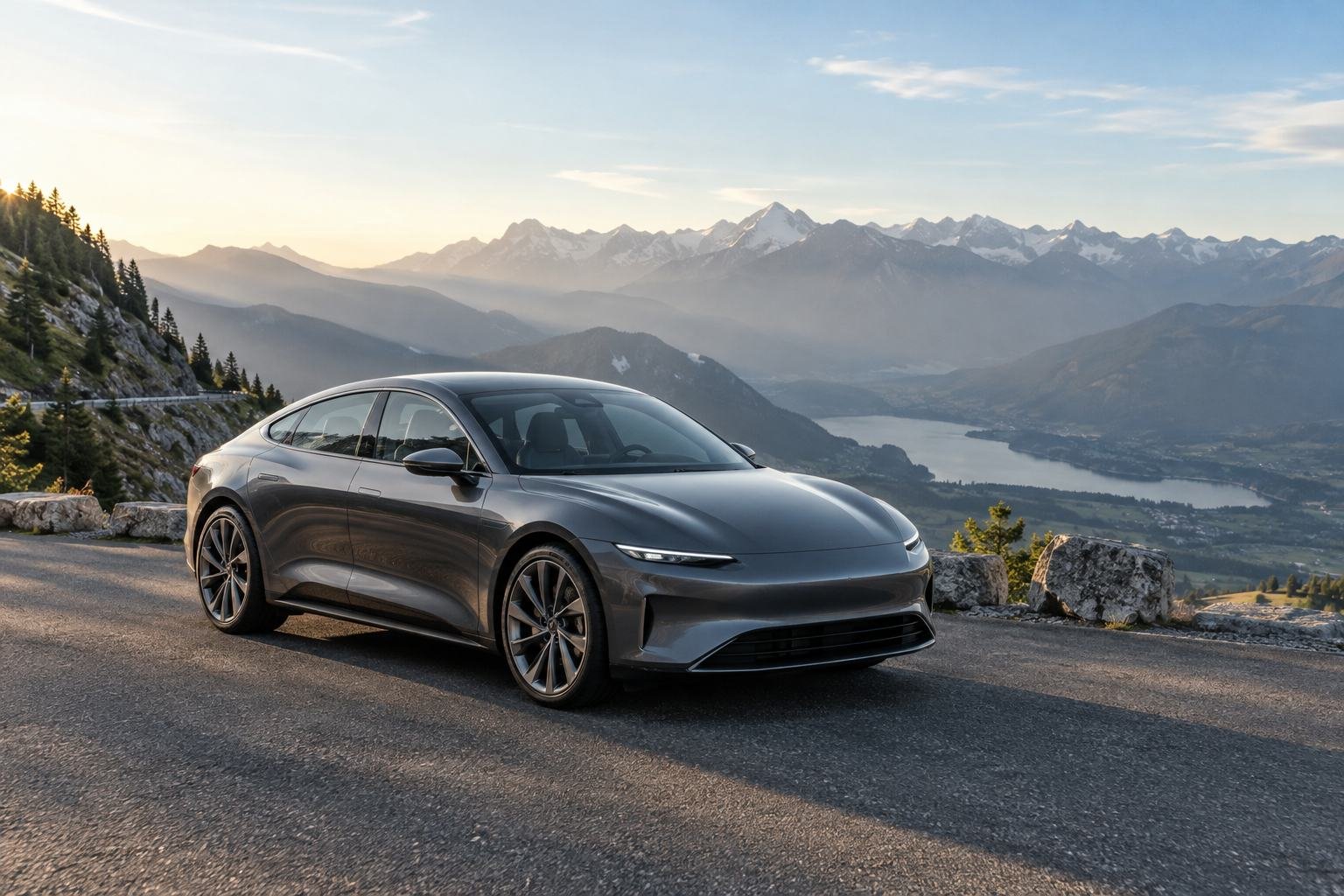
How to plan a long electric journey around charging, weather, comfort and the pleasures of the road.
Plan around reliable stops
An electric grand tour works best when charging is treated as part of the route rather than an emergency interruption. Use the vehicle’s native planner and verify important stations through the network operator. Connector type, maximum power, availability and nearby facilities all matter. A very high advertised charging rate is useful only when the car can accept it and the battery is at a suitable temperature and state of charge.
Choose a primary stop and one nearby alternative. Avoid arriving at an isolated charger with the smallest possible reserve, especially in severe weather or unfamiliar terrain. The U.S. Department of Energy’s Alternative Fuels Data Center explains the main charging levels and infrastructure basics; local network information should provide current operational details.
Use the charging curve, not a single number
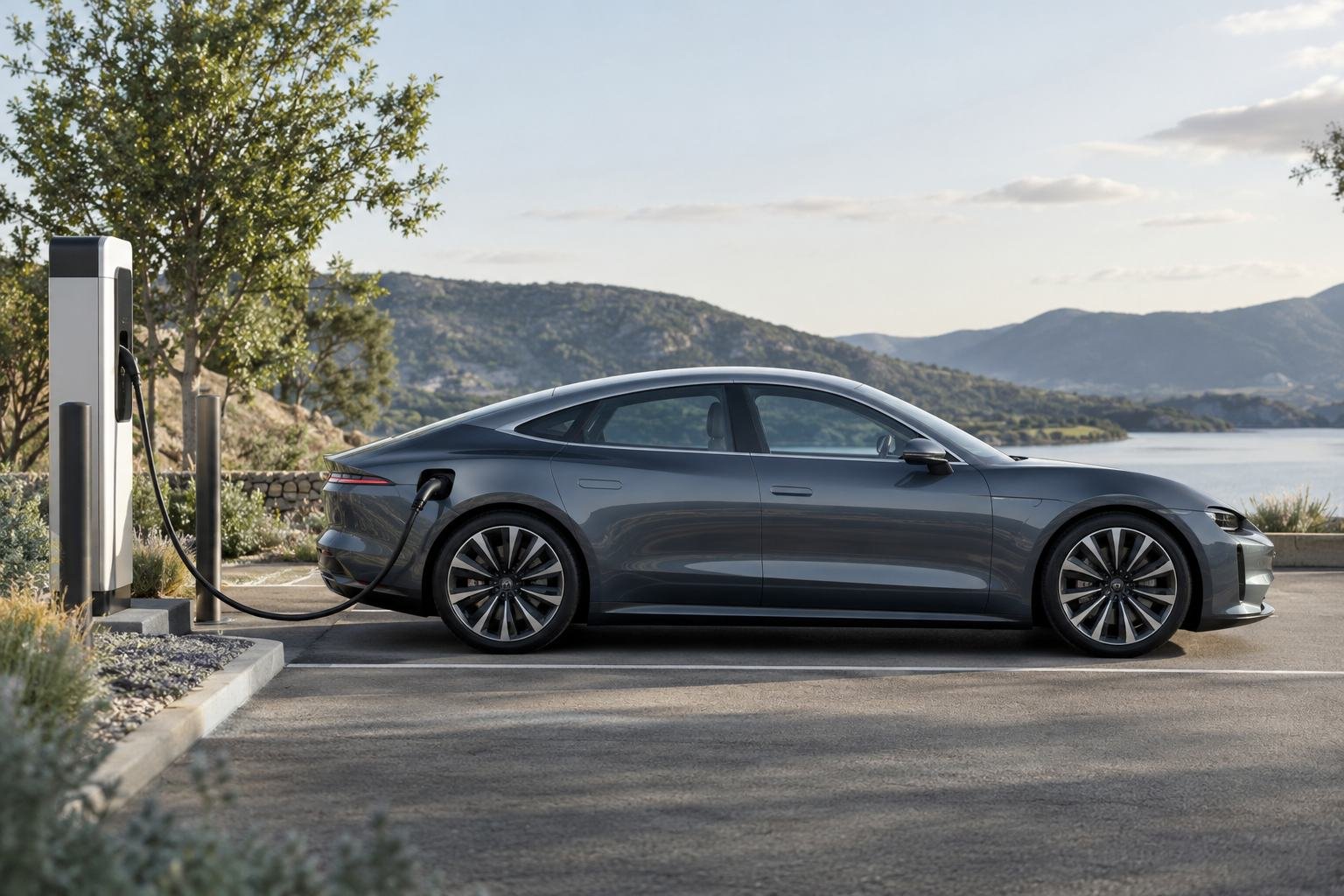
Batteries generally charge fastest through a middle portion of their capacity and slow as they approach full. On a long day, two shorter stops may be more efficient than waiting for a complete charge. Let the car precondition the battery when supported, usually by selecting the charger in the native navigation system.
Range estimates respond to speed, temperature, elevation, wind, cabin climate and load. Learn how the specific car expresses predicted arrival charge and watch the trend rather than reacting to every small change. If consumption rises, reducing speed often provides a simple, immediate buffer.
Make stops restorative
A refined trip uses charging time for something useful: a proper coffee, a short walk, lunch or a change of driver. Identify facilities before departure instead of accepting whatever surrounds the next plug. Hotels with dependable overnight charging can begin each day calmly, but confirm access, pricing, power sharing and whether spaces can be reserved.
Carry the network apps, payment methods and adapters appropriate to the route, while keeping security in mind. Public charging systems evolve, so current operator instructions take precedence over any evergreen checklist.
Protect comfort over distance
Quiet cabins and driver assistance can disguise fatigue. Set a humane daily distance and stop before concentration fades. Seat position, glare, hydration and temperature affect comfort over several hours. Give passengers control over pauses; efficiency is not the only measure of a successful tour.
Heavy luggage reduces flexibility and can affect energy use. Pack so charging cables remain accessible without unloading the boot. If carrying bicycles, roof boxes or winter equipment, expect consumption to change and widen the energy buffer.
Prepare for weather and remote stretches
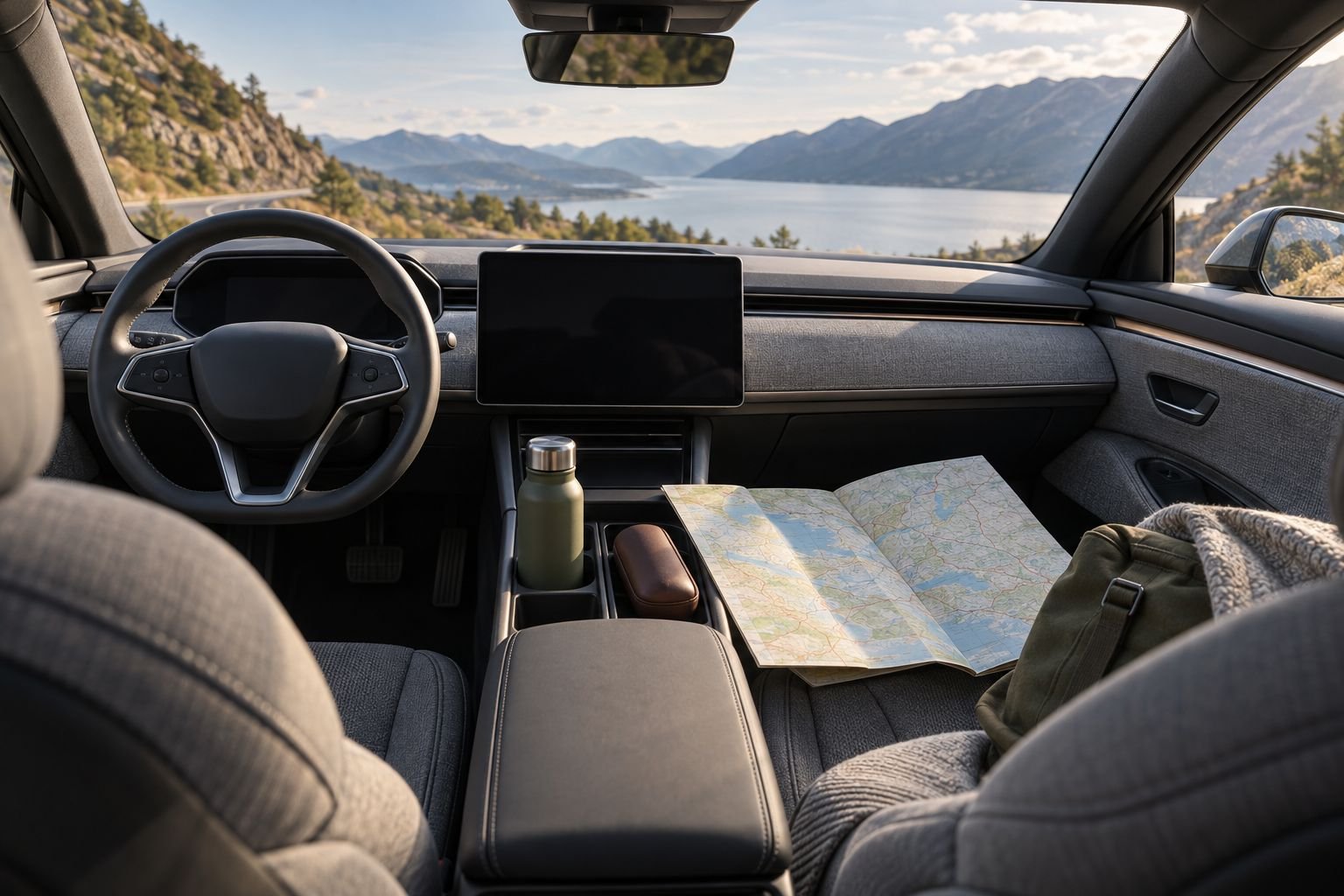
Cold can reduce available range and slow charging; heat may increase climate demand; heavy rain and headwinds can alter consumption. Begin challenging legs with a larger reserve and keep an alternative route. In remote areas, charging gaps may justify an earlier stop even when the battery appears comfortable.
Tyres are central to safety and efficiency. Use the manufacturer’s recommended cold pressure for the load and inspect condition before departure. Do not inflate to the maximum printed on the sidewall. If the journey crosses winter conditions, ensure the tyre specification and local legal requirements are appropriate.
Let the road remain the point
The ideal electric itinerary is not a demonstration of maximum range. It is a sequence of good roads, worthwhile stops and composed arrivals. Build the route around scenery and meals, then fit charging to that shape with enough alternatives to absorb change.
A luxury EV can be an excellent grand tourer because quiet progress reduces strain and overnight charging simplifies departure. Its constraints reward preparation. Once the energy plan is sound, stop watching the battery every minute and pay attention to the landscape.
Create a written energy plan
Before departure, record the principal charging stops, two alternatives, expected arrival charge and the support numbers for the networks used. Download relevant apps and complete account setup on a trusted connection. The plan should also identify the longest gap between dependable stations and the section most exposed to weather. Share it with another traveler, but allow the car’s live navigation to revise it as conditions change.
At the end of each day, note actual consumption and any failed equipment. This small review improves the next leg without turning the holiday into an efficiency trial. Charge only as much as the coming route reasonably needs, leave the bay when finished and report faults through the operator’s official channel. Courteous use of shared infrastructure is part of capable grand touring.
Choose overnight stops strategically
An overnight charger should be evaluated as infrastructure, not a decorative amenity. Ask the hotel how many connectors it operates, whether they are shared with the public, what power is normally available and how access is managed when the car park is full. A promise that charging is “available” does not establish that it will be usable on arrival.
Keep a nearby public alternative and enough energy to reach it. If the hotel requires guests to move a fully charged car, agree on notifications and avoid alcohol until the vehicle is settled. Where charging is first-come, arrive with a plan that does not depend on one space remaining empty.
The hotel’s location can reduce energy and stress the next morning. A property on the correct side of a city avoids cold-start urban traffic and begins the day toward the next route. This may be more valuable than choosing a grander room in the wrong direction.
Manage passengers, pace and cabin energy
Agree on charging stops before departure so they do not feel like surprises imposed by the driver. Passengers may prefer a longer meal stop to several short pauses, while the car may travel most efficiently with shorter sessions. A balanced plan can combine one purposeful lunch with brief technical stops.
Use cabin preconditioning while connected when the vehicle and charger support it, following manufacturer instructions. Heated or cooled seats may keep occupants comfortable with less whole-cabin demand, but comfort should not be sacrificed for a small efficiency gain. A relaxed driver makes better decisions than one focused on achieving a theoretical consumption figure.
If the car offers several regenerative-braking settings, become familiar with them before a mountain route. Behavior can differ as the battery approaches full or conditions change. The owner’s manual and vehicle warnings take precedence over general advice, and conventional braking must always remain available and understood.
Finish each day ready for the next
Before leaving the car, review the next leg, weather and charging availability. Plug in, confirm that energy is actually flowing and check the expected completion time rather than relying on the connector being attached. Store cables cleanly and keep the departure area free of loose luggage.
A successful electric tour feels ordinary in the best sense. Charging becomes a predictable part of meals and rest, range buffers prevent drama, and the route is remembered for roads and places rather than apps. That result comes from modest preparation repeated consistently.
Sources and further reading
Official and authoritative material used to support this guide. Access dates reflect editorial research.
- Electric Vehicle Charging Infrastructure, U.S. Department of Energy Alternative Fuels Data Center. Accessed October 12, 2026.